

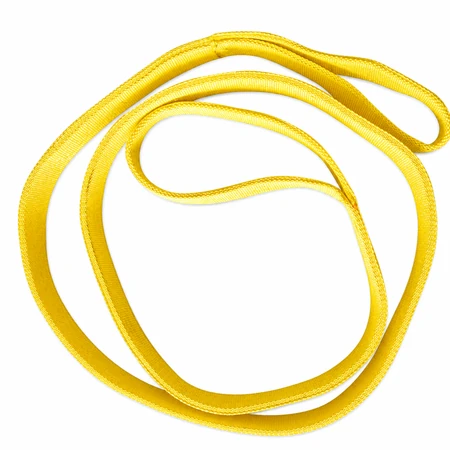
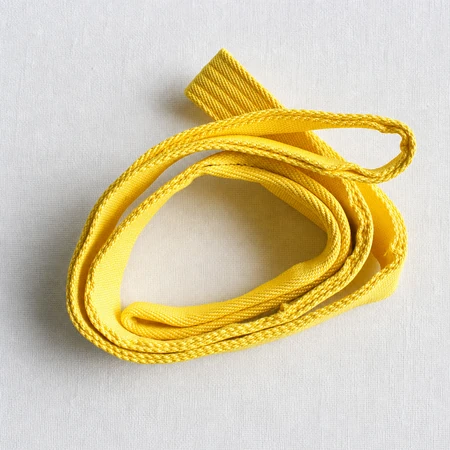
Kompania e manipulimit të hobeve të ngritjes prodhon Sling me rrip të trashë me temperaturë të lartë,Labe ngritëse me temperaturë të lartë,Hobe rezistente ndaj nxehtësisë,Hobe ngritëse rezistente ndaj temperaturës së lartë.
Rrip i ngushtë me temperaturë të lartë
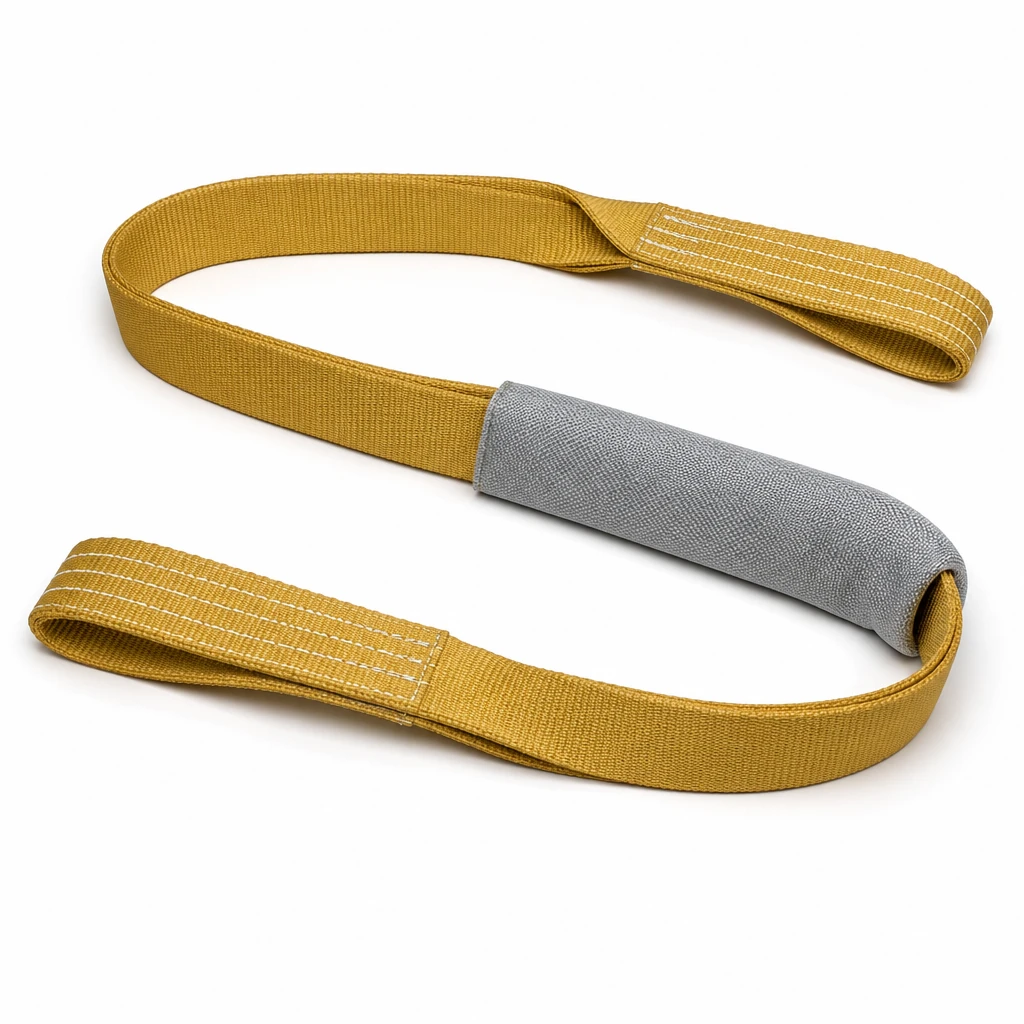
Shirita me rrip pëlhure të sheshtë aramid & Mëngë mbrojtëse rezistente ndaj nxehtësisë - Për ngarkesa më të nxehta se sa mund të marrë rrjeta standarde
A hobe rrjetëzim me temperaturë të lartë ekziston sepse rripi i zakonshëm nuk e toleron nxehtësinë. Poliestër, rrashet me rrip prej najloni dhe polipropileni janë përjashtuar afërsisht më lart 90 °C — fibra zbutet, lustrohet dhe humb forcën, dhe dëmtimi mund të mos jetë i dukshëm nga jashtë. Gama jonë e temperaturës së lartë është ndërtuar mbi të aramid (Klasa Kevlar) fibra, e cila nuk ka fare pikë shkrirjeje: karbonizohet dhe zbërthehet përreth 500 °C në vend që të kthehet në lëng, kështu që i mbijeton një mjedisi të nxehtë që do të shkatërronte plotësisht një hobe poliesteri. Aty ku kontakti është edhe më i nxehtë, një e endur mëngë mbrojtëse rezistente ndaj nxehtësisë merr nxehtësinë rrezatuese dhe të kontaktit dhe rripi qëndron më i ftohtë pas tij.
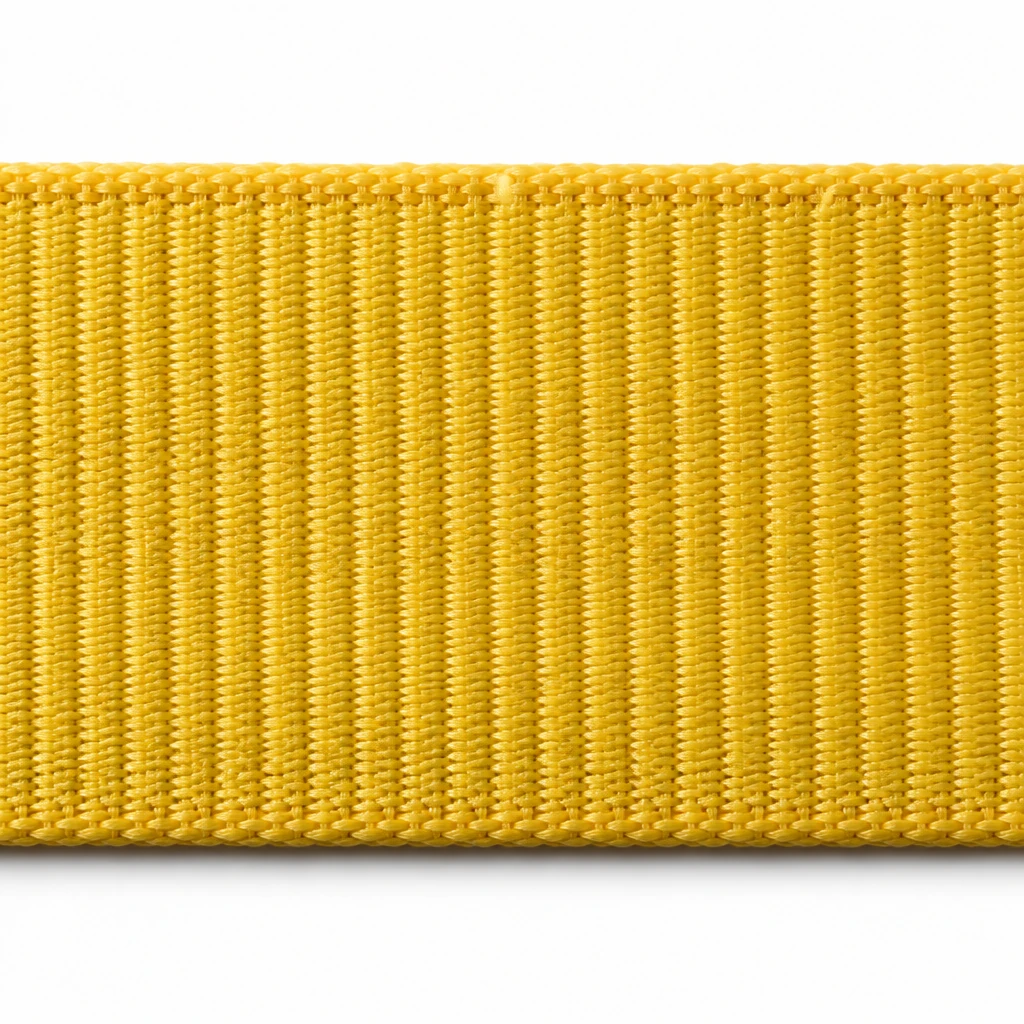
- Rrjep i trashë pëlhure aramidike - pa pikë shkrirjeje, karaktere pranë 500 °C në vend që të shkrihet
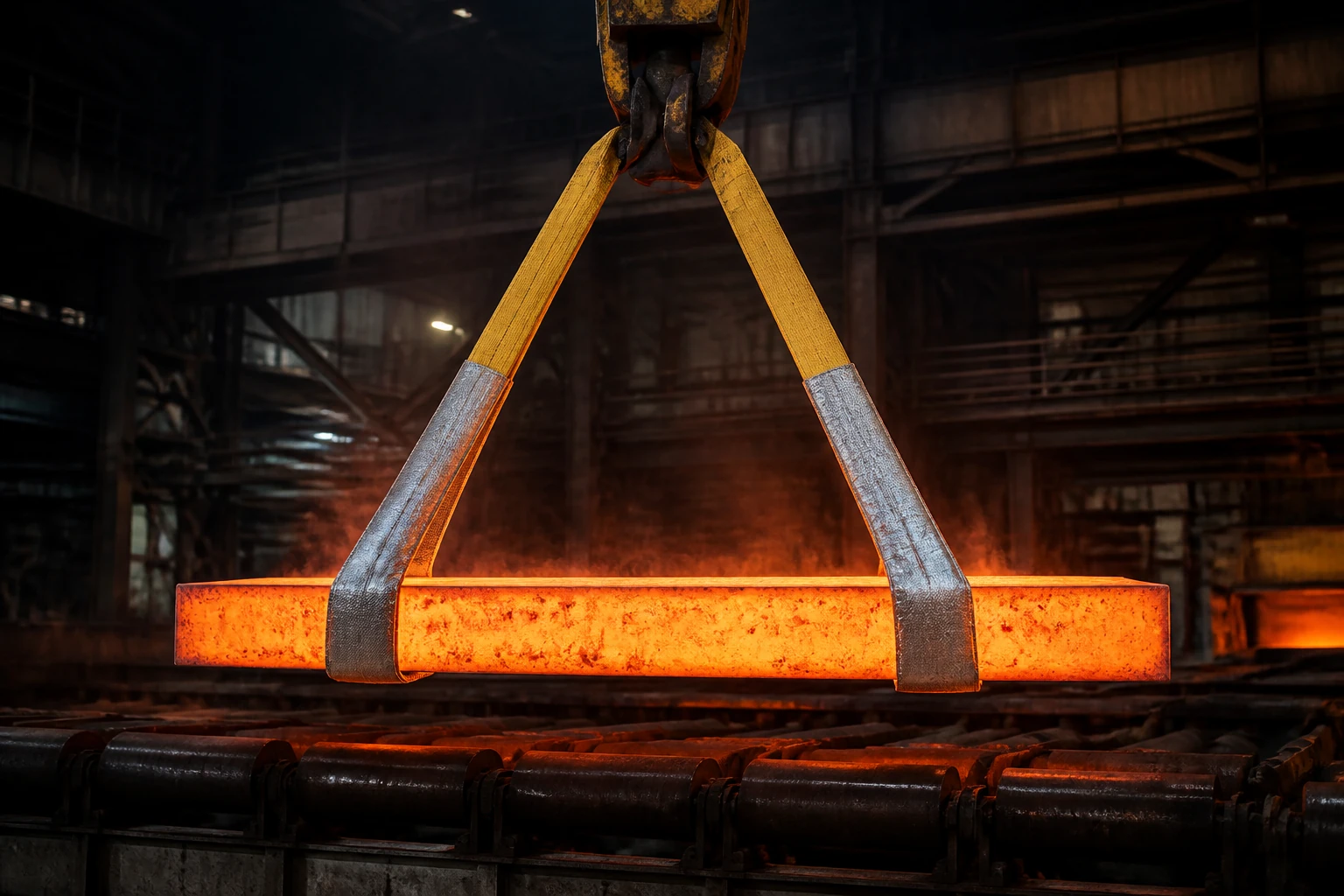
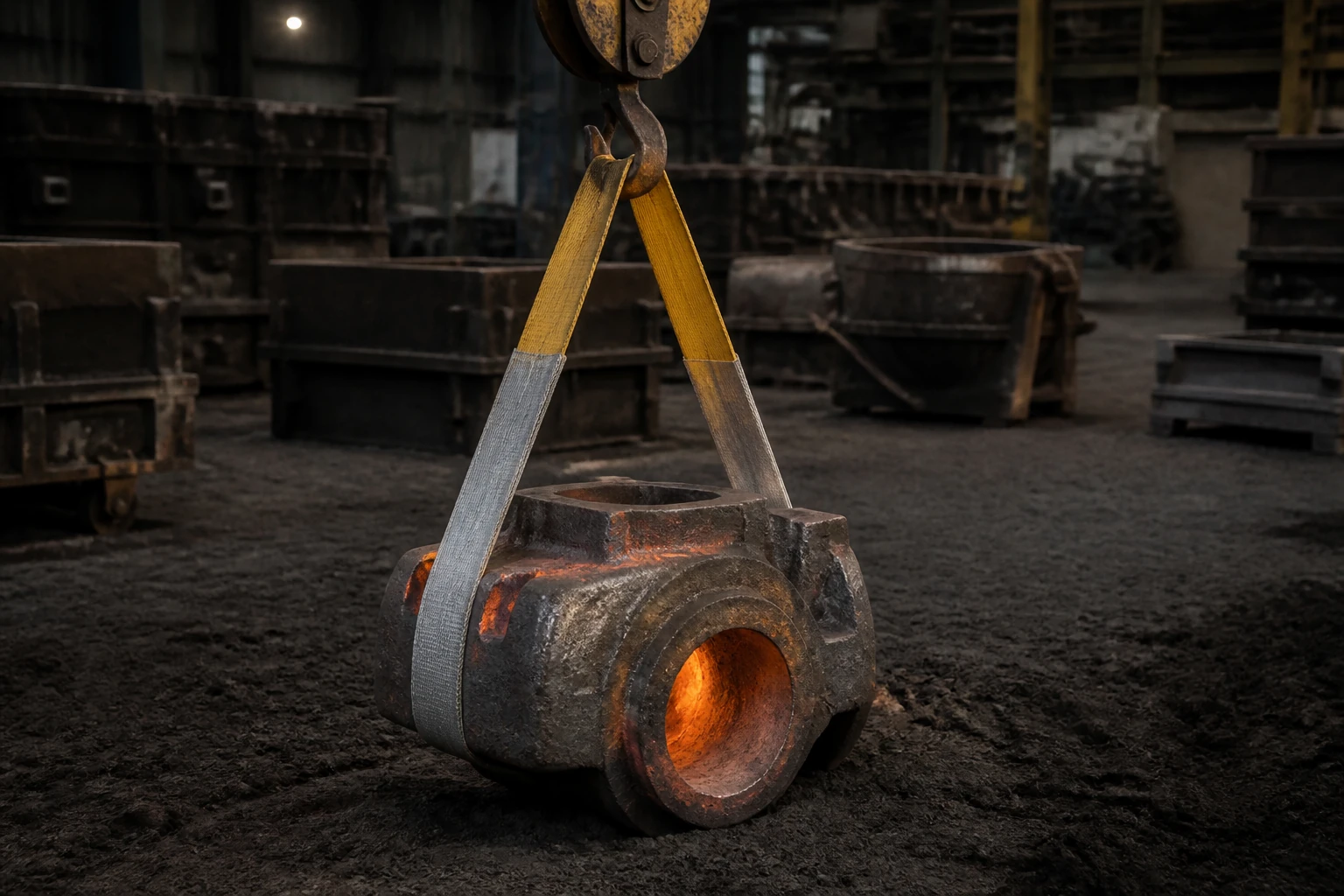
- Mëngë rezistente ndaj nxehtësisë — një shtresë sakrifikuese ku hobeja i afrohet sipërfaqes së nxehtë
- Besohet në punë të nxehtë - mullinj çeliku, shkritoret, casting, dyqane qelqi dhe saldimi
- Ende e butë në ngarkesë — një brez i sheshtë që nuk do të shënojë një sipërfaqe të përpunuar ose të lëmuar
Karakteristikat kryesore
Aramida, Not Polyester
Aramid fibre has no melting point. E nxehur mjaftueshëm, ajo shkrihet dhe prishet - por nuk lëngëzohet siç bëjnë poliesteri ose najloni, gjë që e bën atë të përdorshëm në punë të nxehta.
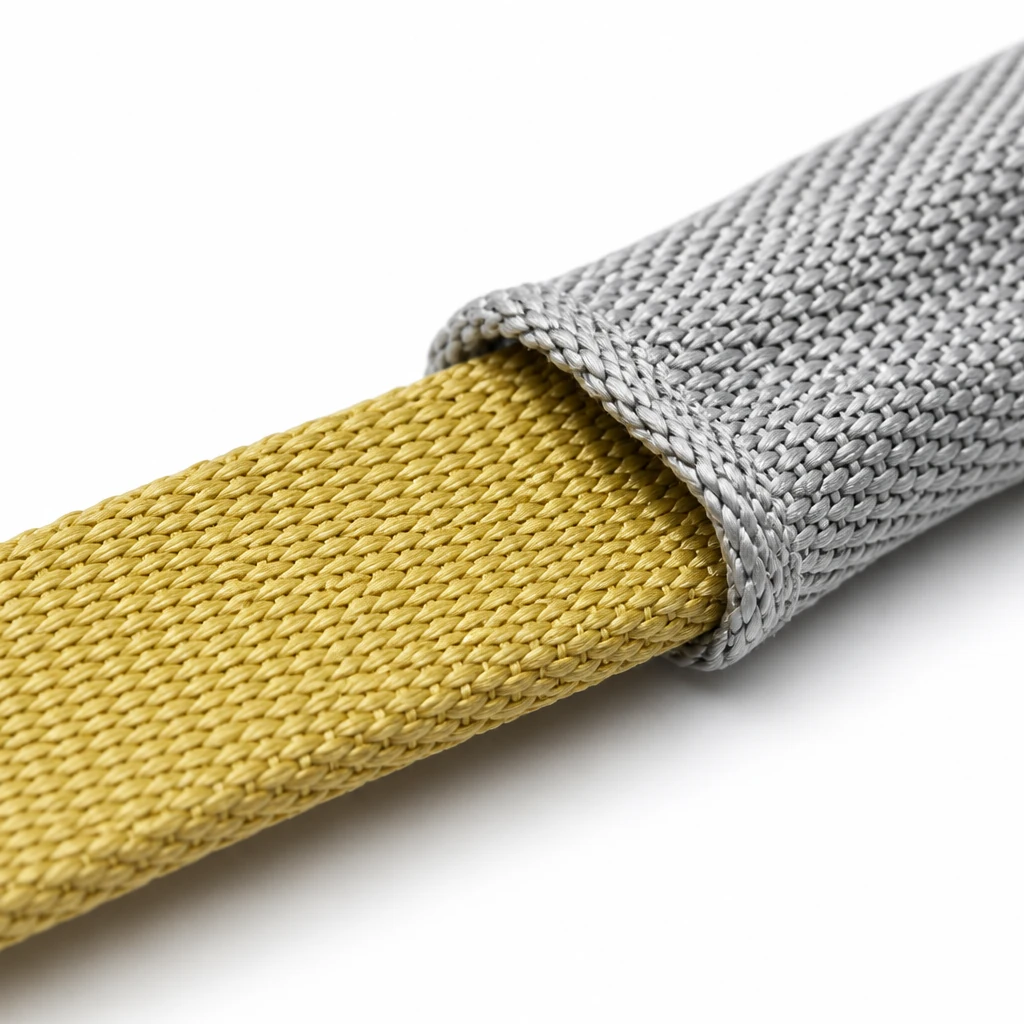
Mëngët marrin nxehtësinë
Një mëngë e endur rezistente ndaj nxehtësisë është një shtresë sakrifikuese mbi brezin mbajtës të ngarkesës. Është më e lirë dhe më e shpejtë për t'u zëvendësuar se sa një hobe, dhe aty duhet të arrijë nxehtësia.
Në thelb jo-shkrirë
Sepse fibra shkrihet në vend që të shkrihet, mënyra e dështimit në një mbinxehje është një copëz e djegur që mund ta shihni dhe ndjeni - jo një zbutje e fshehur e fijeve në të gjithë brezin.
Band Flat, E butë në ngarkesë
Një rrip i sheshtë rrip i trashë përhap presionin mbajtës dhe përshtatet me sipërfaqen, kështu që pjesët e nxehta të punës ngrihen pa mavijosje dhe shenjë që shkakton zinxhiri ose litari.
Rrotulloni për të përhapur djegien
The same section of sling tends to meet the same hot corner. Rotating the sling or sliding the sleeve moves the wear and keeps one spot from taking all of it.
Free of Hard Metal
Nuk ka grepa, gishta ose pranga në vetë hobe. A conductive path or a spark struck off metal rigging is one less hazard beside a hot workpiece.
Why Standard Webbing Stops at 90 °C
Polyester and nylon are thermoplastics: heat them and they progressively soften, then melt. The melting point — around 255 °C for polyester and roughly 215–265 °C for nylon — is not the number that matters. What matters is what happens well below it. By about 90 °C the yarn has already begun to lose the molecular structure that gives it strength, and because the sling is still intact to look at, the loss is easy to miss.
That is why the industry rule is a working limit of roughly 90 °C for polyester and nylon webbing slings, rather than the fibres’ melting points. A hot workpiece sitting next to a webbing sling is not a small margin — it is the sling’s whole service envelope.
Aramid behaves differently. It has no melting point, so there is no softening phase and no liquid failure. It keeps its structure until it begins to char and decompose at around 500 °C. That single difference is what qualifies it for hot work — and it is also why an aramid sling damaged by heat shows as a scorched, brittle or discoloured patch rather than a melted one.
Temperature Ladder: Fibre by Fibre
Choosing a sling for a hot job starts with knowing what the fibre can take. Tabela më poshtë paraqet opsionet e zakonshme, sipas renditjes që duhet t'i konsideroni.
| Fibra | Pika e shkrirjes | brez tipik pune | Sjellja kur mbinxehet |
|---|---|---|---|
| Polipropileni | Përafërsisht. 165 °C | Deri në ~90 °C | Shkrihet - nuk ka strukturë të dobishme të mbetur |
| Poliamidi (najloni) | Përafërsisht. 215–265 °C | Deri në ~90 °C | Zbutet, glazurat, pastaj shkrihet |
| Poliestër | Përafërsisht. 255 °C | Deri në ~90-100 °C | Zbutet, glazurat, pastaj shkrihet |
| Aramida (Klasa Kevlar) | Asnjë - karaktere në vend | ~200 °C e vazhdueshme | Karakterizohet dhe zbërthehet afër 500 °C; pa fazë të lëngshme |
| Fibër qelqi | Zbutet përafërsisht. 840 °C | Deri në ~600 °C | Zbutet dhe humbet forcën |
| Fibra bazalt | Zbutet sipër 1 000 °C | ~600–700 °C | Zbutet; punë me temperaturë shumë të lartë |
Cili ndërtim për cilin brez të temperaturës
| Ngarkesa ose temperatura e ambientit | Ndërtimi për të specifikuar | Pse |
|---|---|---|
| Deri në 90 °C | Standard polyester or nylon webbing sling | Hobe e zakonshme. No derating and no need to pay for aramid. |
| 90–150 °C | Standard webbing sling with a heat resistant sleeve | The sleeve takes the contact heat; the webbing behind it stays within its band. |
| 150–200 °C | Hobe me rrip i trashë pëlhure | Aramid’s own working band. Size the band so the sling is not also the weak point. |
| 200–400 °C | Aramid webbing sling with an aramid sleeve, ekspozimi i shkurtër | Workable, but exposure time and geometry decide the outcome. Describe the job to us. |
| sipër 400 °C | Glass fibre or a specialist high-temperature construction | A different product from this one. Ask us — we make heat resistant rope down to this band too. |
Specifikimet Teknike
| Emri i produktit | Rrip rrjetë me temperaturë të lartë / heat resistant webbing sling / hobe me rrip i trashë pëlhure aramidike / Kevlar webbing sling |
|---|---|
| Load-bearing material | Aramida (Klasa Kevlar / Aramida 1414) high-modulus fibre, woven into flat webbing; polyester version with sleeve available where the heat is modest |
| Ndërtimi | Flat woven webbing in eye-and-eye or endless form; single-ply or multi-ply |
| Protective sleeve | Woven heat resistant sleeve, aramid, glass or coated sleeve depending on the band; sliding or fully sewn, fitted where the sling meets the load |
| Gjerësia e brezit | 25 mm në 300 mm si standard, matched to the working load limit and the ply construction |
| Kufiri i ngarkesës së punës | 1 t te 100 t, në hapat standardë 1 · 2 · 3 · 4 · 5 · 6 · 8 · 10 · 12 · 15 · 20 · 25 · 30 · 40 · 50 · 100 t — the aramid band carries the same ratings as polyester at the same width, at a lower weight |
| Faktori i sigurisë | NË 1492-1 praktika është 7:1 for general-purpose flat woven webbing slings; other factors produced to order |
| Gjatësia efektive e punës | 0.5 m te 20 m si standard; më gjatë për të porositur |
| Aftësia e temperaturës | Aramid band with no melting point, charring near 500 °C; the usable working band depends on exposure time and on the sleeve — tell us the job and we will state the figure for your construction |
| Zgjatimi | Low stretch — aramid elongates far less than nylon under the same load |
| Shënimi | Etiketë e qepur me kufi të ngarkesës së punës, gjatësia dhe grupi; sleeve identification marking available |
| Paketimi | Spiralja në një qese polifonike ose çantë mbajtëse, karton i etiketuar, paketim me porosi të eksportit |
| MOQ & OEM | MOQ i ulët për urdhrat e provës; OEM i plotë - kapacitet, gjerësia, fije, gjatësia dhe pozicioni i mëngës, ngjyra, shënimi dhe paketimi |
Trajtimi, Inspektimi dhe Kufizimet
Një hobe aramid është më tolerante ndaj nxehtësisë sesa një poliestër, por nuk është imun, dhe mënyra se si dështon është mashtruese. A scorched patch may look superficial while the yarn beneath has already lost its strength.
- Inspect after every hot lift, jo vetëm në fillim të ndërrimit — look for discolouration, scorching, a brittle or stiff feel, a hard or glazed patch, and any change in colour at the sleeve or the band.
- Feel it as well as look at it — a band that has stiffened, or that crackles when flexed, has been overheated even if the colour looks acceptable.
- Retire on any sign of charring — a charred or brittle section is a permanent loss of strength and cannot be assessed by eye. Take it out of service.
- Inspect the sleeve separately — the sleeve is designed to be damaged and it is expected to be replaced. When it is burnt through, worn through or stiffened, change it before the next lift.
- Do not use aramid where it will be cut or abraded on edges — aramid resists heat, but it is more sensitive to cutting and to flex-fatigue than polyester. Mbroni atë nga skajet e mprehta.
- Keep it away from other chemicals and UV — aramid is affected by strong acids and degrades under prolonged sunlight. Ruani të pastër, dry and out of the sun.
- Regjistrojeni atë — log the number of hot lifts and the highest temperature seen. It is the most reliable retirement guide for this class of sling.
Aplikacionet
- Hot steel slabs, billets and blooms still radiating heat from the furnace
- Foundry and die casting work — castings, dies and moulds handled while still hot
- Rolling mills and forge shops where the ambient temperature alone rules out standard webbing
- Glass industry handling and any operation near a furnace or a kiln
- Saldimi, cutting and fabrication bays where spatter and hot offcuts are routine
- Stage and entertainment rigging above hot luminaires and pyrotechnic equipment
- Any lift where a polyester sling has been refused because of the environment, jo ngarkesa
Përshtatje dhe shërbim OEM
A high-temperature sling is specified around the job rather than picked from a shelf, sepse temperatura, koha e ekspozimit dhe forma e sipërfaqes së nxehtë janë të gjitha pjesë e përgjigjes. Tell us what the sling will touch and for how long, and we will size the band, the plies and the sleeve to suit.
- Kapaciteti - 1 t te 100 t, duke përfshirë hapat e ndërmjetëm midis madhësive standarde
- Fibra — aramid webbing as standard; polyester with a sleeve where the heat is modest and the budget matters
- Përfundon — eye-and-eye or endless, plain or reinforced eyes
- Sleeves — sliding or fully sewn, aramid, qelqi ose të veshura, pozicionuar për të mbuluar saktësisht seksionin që plotëson ngarkesën e nxehtë
- Gjatësia dhe shënimi — gjatësia efektive e punës sipas porosisë; paraqitjen tuaj të etiketës, gjuha dhe konventa e shënimit
- Artikuj të lidhur — matching heat resistant round slings, stage slings and aramid rope for the same hot job
Kontrolli i cilësisë
Every band is checked for width, trashësia, weave density and colour before the eyes are closed, the sleeve fit is checked against the section it has to protect, and every finished sling is checked on its stitching, its working load limit marking, its overall length and its label before packing. Ne kemi prodhuar hobe, rrip i trashë pëlhure dhe produkte litari për industriale, sigurinë dhe klientët e eksportit për afro tre dekada, dhe ne e mbajmë procesin të dukshëm: sipas kërkesës ne ofrojmë certifikatën e fibrave, shifrat e testit të grupit dhe një hobe kampioni që duhet ta trajtoni dhe ta provoni përpara se të fillojë prodhimi i vëllimit.
Pyetjet e bëra më shpesh
Why can’t I just use a polyester webbing sling on a hot load?
Because polyester begins to lose strength long before it melts. Polyester and nylon webbing slings are restricted to roughly 90 °C — well under the fibre’s melting point of around 255 °C. By the time a polyester sling looks damaged it has usually already lost a substantial part of its strength, which makes the failure hard to catch by inspection.
What makes aramid suitable for high temperature lifting?
Aramid has no melting point. Instead of softening and liquefying, it keeps its structure until it begins to char and decompose at around 500 °C. There is no liquid failure phase and no hidden softening of the yarn across the whole band — heat damage shows as a scorched, brittle or discoloured patch where the heat actually arrived.
Do I need a heat resistant sleeve as well?
Usually, po, wherever the sling comes near the hot surface. The sleeve is a sacrificial layer: it takes the contact and radiant heat, it is far cheaper and quicker to replace than a sling, and it protects the band from abrasion on the hot workpiece at the same time. Where the whole environment is hot rather than one contact point, the aramid band does the work and the sleeve may not be needed at all.
Will an aramid sling hold a higher working load than a polyester sling?
Not at the same band width — the standard capacities are published on the same width ladder, and what you gain with aramid is heat tolerance and a lighter band, not a larger number. Sizing still follows the working load limit and the safety factor, exactly as for any other webbing sling.
Është një hobe me temperaturë të lartë e çertifikuar sipas një standardi?
The general-purpose flat webbing sling standards cover polyester, polyamide and polypropylene slings, me një shtrirje që qëndron afërsisht në -40 °C deri +90 brezi °C. A high-temperature aramid sling falls outside that scope, so its temperature rating is a manufacturer’s specification rather than a figure quoted from the standard. Ask us to state the rating for the exact construction you are buying.
How do I know when to retire a high temperature sling?
Retire it on any sign of charring, on a brittle or stiffened section, on a glazed or hardened patch, or where the sleeve has burnt through to the band. Heat damage in aramid is not always obvious from the colour alone, so feel the band as well as looking at it. Keep a log of the hot lifts and the temperatures seen — for this class of sling, that log is the most reliable retirement guide there is.
Kërkoni një ofertë për hobe me rrip pëlhure me temperaturë të lartë
Na dërgoni kufirin e ngarkesës së punës, temperaturën që do të shohë në të vërtetë hobe, nëse është nxehtësi rrezatuese apo kontaktuese, sa zgjat çdo ekspozim, dhe formën e sipërfaqes së nxehtë. Ne do të kthehemi me fibra, banda, mëngë dhe vlerësim për punën tuaj, plus një mostër për të testuar.