

Lift sling rigging company produce Single Ply Endless Lifting Sling,Single Ply Endless Sling,single ply Endless webbing sling,Single-Ply Endless Flat Sling.
Single Ply Endless Lifting Sling
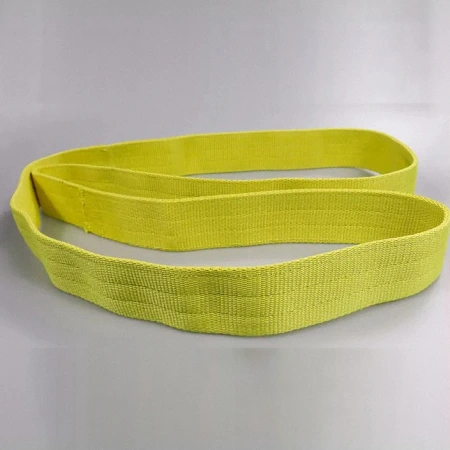
One layer, one lapped joint, enweghị ngwụcha. The lightest closed loop in the range: it folds into a pocket, turns a tight radius and drapes over the load — 1 t ka 12 t na 7:1 abụọ OTU 1492-1.
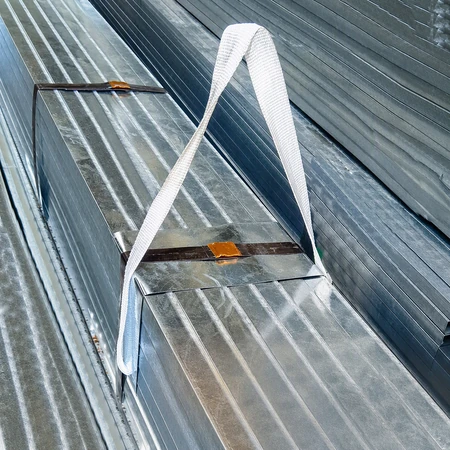
The word to be careful with is ply. It does not mean two slings or two bands in parallel; it means how many layers of webbing are woven into the one band the loop is made from. Single ply is one layer, and everything that follows — the 4 mm section, the weight per metre, the way it turns round a small radius, and the capacity it can be given at a given width — comes from that one decision.
What one layer actually gives you
Four practical differences separate the single-layer loop from the duplex build, and each one shows up on a different job:
- A 4 mm section. The band folds into a pocket, coils onto a hook and passes between a load and a tight gap where a thicker band will not go.
- Less weight per metre. The ladder below runs from 0.20 kg/m na 1 t ka 2.05 kg/m na 10 t — a one-handed carry for the sizes most yards actually use.
- More supple over a radius. One layer conforms to pipe, tube and rolled sections instead of standing off them, so contact is over the full width rather than at two edges.
- Otu nkwonkwo, thin and easy to read. The lapped joint is the only made connection in the load path; in a single layer the stitching rows sit on one visible face, with no second layer masking them.
Single ply against duplex, at the same width
The two builds are not two grades of the same thing; they are two answers to different questions. The comparison below is the one we use in quotation, and the widths are the published single-ply ladder.
| Otu mpempe akwụkwọ | Duplex | |
|---|---|---|
| Layers in the band | Otu | Abụọ, woven as one band |
| Section thickness | 4 mm at the standard ladder | Roughly twice the single-ply section |
| Capacity at a given width | The ladder figure | Higher — the reason duplex exists above the single-ply range |
| Ibu kwa otu mita | 0.20 kg/m na 1 t ka 2.05 kg/m na 10 t | Higher for the same width |
| Ijikwa | Folds small, turns a tight radius, drapes onto the load | Isi ike; sits flatter over an edge and resists abrasion longer |
| Ebe ọ na-emeri | N'okpuru banyere 6 t, tight gaps, small diameters, mixed rigs | High capacity in a narrow width, rough edges, heavy abrasion |
| Njikọ | One lap, stitching visible on the face | One lap through the doubled band |
The duplex build has its own page: double ply endless lifting sling.
The capacity ladder, otu ply
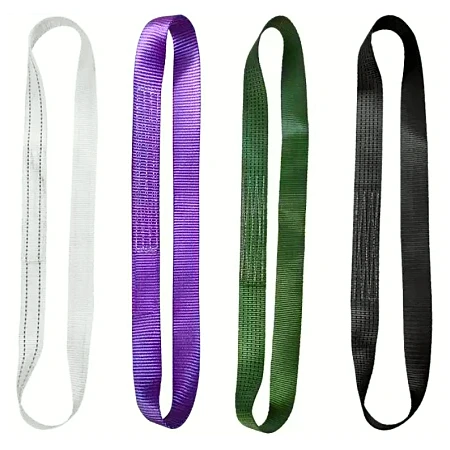
Working load limits are quoted in straight lift, na 7:1 abụọ OTU 1492-1. Colour follows EN 1492-1 and is a capacity band, not a material; n'elu 10 t there is no colour code and the label is the only rating.
| WLL, elu kwụ ọtọ | Agba | Obosara ntụaka | Length range | Ihe ruru. ibu | Nkpagbu (× 0.8) |
|---|---|---|---|---|---|
| 1 t | Violet | Kwenye n'usoro | 0.5 - 100 m | 0.22 n'arọ/m | 0.8 t |
| 2 t | Akwụkwọ ndụ akwụkwọ ndụ | 50 mm | 1 - 100 m | 0.35 n'arọ/m | 1.6 t |
| 3 t | Odo | 75 mm | 1 - 100 m | 0.52 n'arọ/m | 2.4 t |
| 4 t | Agba ntụ | 100 mm | 1.5 - 100 m | 0.80 n'arọ/m | 3.2 t |
| 5 t | Uhie | 125 mm | 1.5 - 100 m | 0.85 n'arọ/m | 4.0 t |
| 6 t | Agba aja aja | 150 mm | 1.5 - 100 m | 0.96 n'arọ/m | 4.8 t |
| 8 t | Acha anụnụ anụnụ | 200 mm | 2 - 100 m | 1.34 n'arọ/m | 6.4 t |
| 10 t | oroma | 250 mm | 2 - 100 m | 1.64 n'arọ/m | 8.0 t |
| N'elu 10 t | Enweghị koodu agba | Duplex build | ịtụ ịtụ | Na arịrịọ | Labelụ na-achị |
Widths and weights are the published series for this range; the finished width, ply and weight are confirmed on the order acknowledgement.
Obosara, safety factor and the same capacity
A higher safety factor needs a wider band for the same working load limit, which is why the width column has three values. Tell us the standard your site works to and the sling is built to it; the figures below are the single-ply polyester ladder.
| WLL | Na 5:1 | Na 6:1 | Na 7:1 | Ọkpụrụkpụ | Weight at 7:1 |
|---|---|---|---|---|---|
| 1 t (1 000 n'arọ) | 25 mm | 25 mm | 30 mm | 4 mm | 0.20 n'arọ/m |
| 2 t (2 000 n'arọ) | 50 mm | 50 mm | 60 mm | 4 mm | 0.60 n'arọ/m |
| 3 t (3 000 n'arọ) | 75 mm | 75 mm | 90 mm | 4 mm | 0.78 n'arọ/m |
| 4 t (4 000 n'arọ) | 100 mm | 100 mm | 120 mm | 4 mm | 0.90 n'arọ/m |
| 5 t (5 000 n'arọ) | 125 mm | 125 mm | 150 mm | 4 mm | 1.14 n'arọ/m |
| 6 t (6 000 n'arọ) | 150 mm | 150 mm | 180 mm | 4 mm | 1.33 n'arọ/m |
| 8 t (8 000 n'arọ) | 200 mm | 200 mm | 240 mm | 4 mm | 1.85 n'arọ/m |
| 10 t (10 000 n'arọ) | 250 mm | 250 mm | 300 mm | 4 mm | 2.05 n'arọ/m |
| 12 t (12 000 n'arọ) | 300 mm | 300 mm | 300 mm | 4 mm | 2.70 n'arọ/m |
Njikọ ahụ, and why it is the first thing to look at
An endless sling is endless in use, ọ bụghị enweghị nkebi. The band is lapped over itself and closed with dense parallel rows of stitching; that lap is a full-strength joint and it sits in the load path. It is the only made connection in the whole article.
On a single-layer loop that joint is easier to inspect than on a duplex one, because the stitching rows lie on one visible face rather than between two layers. Look for broken or pulled stitches, a lap that has started to open, and abrasion where the lap passes over an edge. If the joint is sound, the rest of the loop is one continuous band and can be read anywhere along its length.
Three hitches from the same loop
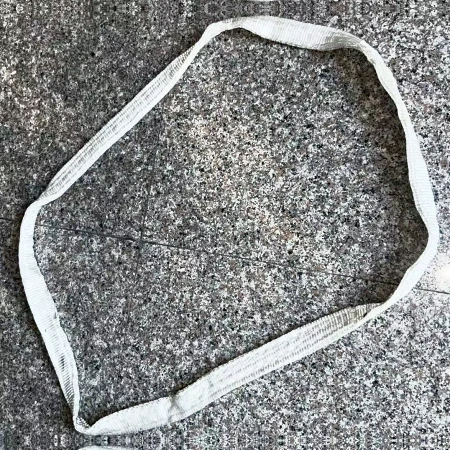
The marked figure is the straight-lift rating; every other arrangement is derived from it. Ha nha nke èbè ahụ ka ndị ọrụ ụgbọ mmiri ahụ ga-agba, ọ bụghị nye onye nọ na atụmatụ ebuli elu.
| Hitch | Ụdị ihe kpatara ya | Ihe ọ pụtara na saịtị |
|---|---|---|
| kwụ ọtọ | × 1.0 | Ọnụọgụ akara na-emetụta ozugbo |
| Nkpagbu | × 0.8 | A 4 t ibu na nkpagbu choro a 5 t sling — the wrap grips as the load comes on |
| Nkata, ụkwụ dị nso na vetikal | × 2.0 | Both sides of the loop carry the load and the bearing face is doubled |
| Nkata, 7°-45 ° | × 1.4 | As the legs open the rating falls; plan the angle, ọ bụghị naanị ibu |
| Nkata, 45°-60° | × 1.0 | At wide angles the basket advantage is gone — treat it as a straight lift |
Ogologo: gburugburu, or the height you actually get
Akara emechiri emechi enweghị nsọtụ, ya mere ọ dịghị ihe a ga-atụle ọgwụgwụ ruo ọgwụgwụ. This trade quotes the same sling two ways, ma ha dị iche n’ihe dị ka otu ụzọ abụọ: the circumference is the perimeter of the loop, while the effective working length is the usable height you get, roughly half the circumference because the loop is doubled when it hangs.
| Quoted as | Ihe ọ tụrụ | Otu èbè hà nhata |
|---|---|---|
| gburugburu | The perimeter of the loop — total band in the article | 2 m |
| Ogologo ọrụ dị irè | Ogologo enwere ike iji; the loop doubles when it hangs | 1 m |
Kpọọ mgbakọ ahụ na ọnụ ọgụgụ ahụ, ma ọ bụ kwupụta ojiji kama - akụkụ nke isiokwu ahụ akaghị ga-aga gburugburu - na enweghị mgbagwoju anya na-apụ n'anya tupu ebipụ ìgwè ahụ..
Polyester, and the limits of it
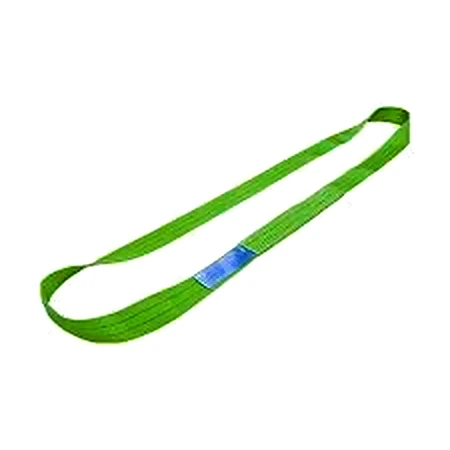
The standard build is 100% polyester dị elu (PES). It elongates no more than 3% at the working load limit and no more than 10% na ibu na-agbaji, so the load does not creep down as the lift comes on, and the standard build works from −40 °C to +100 Celsius C. Nylon is offered where shock and abrasion dominate; polypropylene where weight and cost matter more than strength; UHMWPE and aramid where strength-to-weight or heat is the deciding factor.
What ends a polyester build is the same list as for any synthetic sling: heat above the range, strong alkalis, sharp edges that cut rather than abrade, and a cut or a glaze anywhere on the circumference. On a closed loop there is no second end to compare, so condition is judged against the surrounding band.
Marking and traceability
- N'ime 1492-1 capacity colour in the weave — violet 1 t, akwụkwọ ndụ akwụkwọ ndụ 2 t, edo edo 3 t, agba ntụ 4 t, uhie 5 t, agba aja aja 6 t, acha anụnụ anụnụ 8 t, oroma 10 t.
- One black transverse stripe per tonne as a second, optical check on the band itself.
- A sewn label with the working load limit, ihe, ọkọlọtọ, length and traceability code — and above 10 t, the label is the only rating there is.
- Every sling proof tested in our own laboratory before dispatch, with a test certificate per batch on request; Koodu HS 630790.
Ajuju ugboro ugboro
What does single ply mean, exactly?
One layer of webbing in the band the loop is made from — not two slings, and not two bands side by side. It gives a 4 mm section at the standard ladder widths, the lowest weight per metre in the range, and the most supple loop we build.
Bụ èbè na-adịghị agwụ agwụ?
Mba. Eji ya eme ihe adịghị agwụ agwụ, ọ bụghị enweghị nkebi: A na-apagide eriri ahụ n'elu onwe ya ma jiri akwa akwa yiri ya mechie ya, and that lap is a full-strength joint in the load path. What a closed loop removes is the eyes and the end fittings, not the joint. If you need a closed loop with no joint in the load-bearing element at all, nke ahụ bụ èbè okirikiri adịghị agwụ agwụ, where the core is continuous.
How far up the capacity range does single ply go?
The single-ply ladder is published to 12 t na 7:1 in a 300 mm band; the range as a whole runs to 30 t, and above the single-ply ladder the duplex build is the answer rather than a wider single band.
Can I use one loop for a vertical lift and a choke?
Ee, and the figure changes with the arrangement: 1.0 vetikal, 0.8 kpagburu, 2.0 in a basket with the legs near vertical, na-adaba 1.4 and then 1.0 as the legs open. Size to the hitch the crew will actually rig.
Will a single ply sling mark aluminium or painted steel?
The band bụ sịntetik eriri na ọ dịghị dabara na-emetụ ibu, ya mere ọ gaghị akwọcha ma ọ bụ gbarie ka agbụ ma ọ bụ eriri waya nwere ike. Width is the protection measure — for mirror-finish or anodised work, specify a width above the capacity ladder and the pressure on the surface falls with it.
How should the length be quoted?
Site na gburugburu ma ọ bụ site na ogologo ọrụ dị irè - ha abụọ dị iche n'ihe dịka otu ihe abụọ. Kpọọ mgbakọ ahụ, or give the girth of the article the loop must go round, and the figure is confirmed on the order acknowledgement.
Rịọ nhota
Five things settle a single ply loop
The load — what it is, its girth at the pick positions, and its surface;
The hitch — vertical, kpagburu ma ọ bụ nkata, and the leg angle if it is a basket;
The working load limit in that hitch, na ihe nchekwa nchekwa saịtị gị na-arụ ọrụ;
The length — with its convention, or the girth the loop has to go round;
The marking and packing — own-brand label, carton or pallet specification.
Ebe aga na-esote
- The endless lifting sling range — every closed form, compared by load;
- Otu nkpọk na-enweghị ngwụcha èbè na polyester na-adịghị agwụ agwụ ewepụghị eriri eriri èbè for the full size and weight tables;
- Double ply endless lifting sling where the capacity needs to go up at the same width;
- èbè webụ na-adịghị agwụ agwụ na èbè na-adịghị agwụ agwụ for the type A article in full;
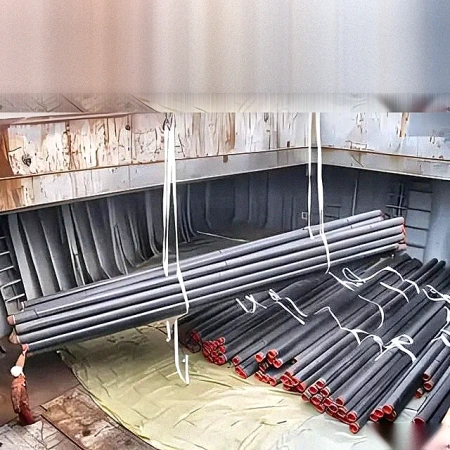
- eriri ígwè na-ebuli ọkpọkọ maka ọrụ ọkpọkọ, na the one-way single ply version for single-trip export packing;
- Ịgba èbè in all builds, na contact.